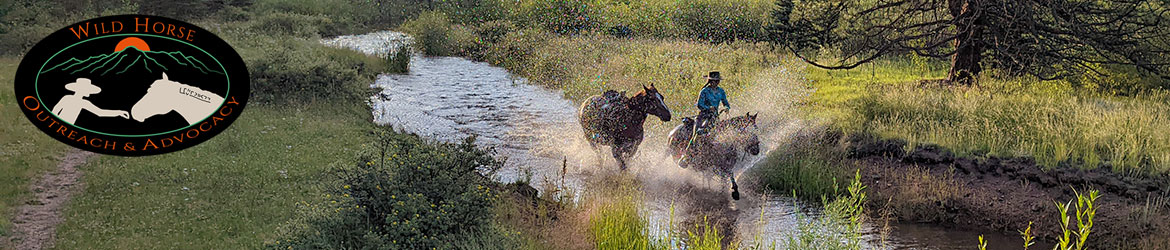


First, thank you to all of you who thought of Wild Horse Outreach & Advocacy yesterday on Colorado Gives Day! The Mustangs and our small team appreciate you. When fundraising goes well, it’s always in spite of me not putting the word out early (maybe I’ll learn some day?) and only thanks to you believing in what we do. If you missed it and you’d still like to contribute, you’ll find the l¡nk in yesterday’s post.
“Knowledge is power” holds true when it comes to taking horses into the backcountry. So are skills, so is the right equipment. Learning from others, their advice and – yes – their mishaps is incredibly important. We don’t live long enough to learn everything the hard way and for some things we only get one shot.
This trail here can be challenging. It starts out so harmless until you hit downed trees, rock piles, mud and eventually boulder fields. It got hairy once or twice as it was – we learned from that – but that ride would have been over early and much less comfortable for everyone involved if it wasn’t for the following:
Trail saw – this was the second ride this fall where we had to cut our way in. We ride in the wilderness a lot, so no chain saws. I carry a handsaw in its own scabbard under my right fender.
Breakaway rope – Gabe with Colorado Pack Company LLC taught me to always tie the lead rope of the ponied horse to a breakaway rope, never to the horn. Boy did I feel stupid and I’ve had one on my saddle ever since. When his finally broke, the one I tied was with a double strand of baling twine rather than a single. Take my word for it, go single strand. We were lucky we only dented a water bottle that day.
Hobbles – when we explored the lakes and had lunch, we left Lacy, Rock and Spur hobbled so they could graze. On a day ride especially that’s the least we can do to ensure their comfort. All three are hobble trained. Spur and Lacy wear three leg hobbles. Rock does fine in draft size front hobbles we had made for him. I leave the lead ropes on young horses during their first backcountry season, that way if they get confused with hobbles on, I can help them more easily.
Layers – It was a beautiful fall day and yet there was wind, snow, ice, clouds, then sun again and drastic temperature changes as we went up and down in elevation and once the sun set. We carry hand and toe warmers just in case, as well as warm, wind- and waterproof layers, gloves and scarves. Otherwise it’s all fun and games until hypothermia sets in.
Food, water and life straws – Running out of sustenance on a long day in the mountains can go from uncomfortable to dangerous quickly, as does dehydration. I love life straws as a back up in the event of running out of drinking water. I can drink from a natural water source safely on the fly. It’s saved the day before and I won’t ride without one.
GPS and two way satellite communication – For the love of all that is holy, don’t go out there without knowing where you’re going, where you came from, where the trail is supposed to be and a way to call for help even if you don’t have cell service. Phones die, get crushed, get wet and stop working. I have a GPS device that can and does take rough handling and is on my person at all times. First responders have families too and nobody wants to be out there looking for what’s left of you for the next week. I have a standalone device that’s not my phone that if all else fails and I’m incapacitated Tay Martin knows how to use to a) get help now b) send and receive texts and c) navigate.
Anyway, that’s enough seriousness for one morning. I hope you enjoy the pictures as much as we enjoyed our high country adventure.
Feel free to share this with friends you’d like to keep safe when they’re out adventuring 
