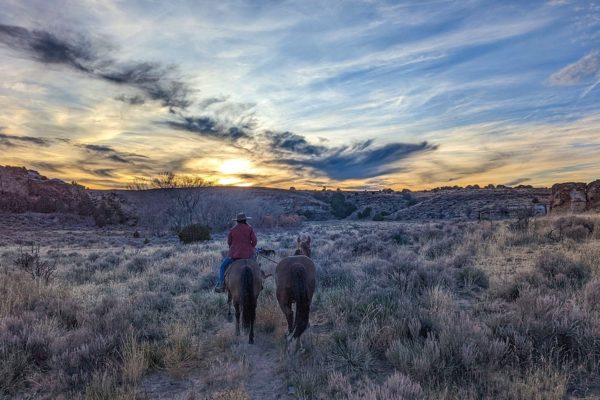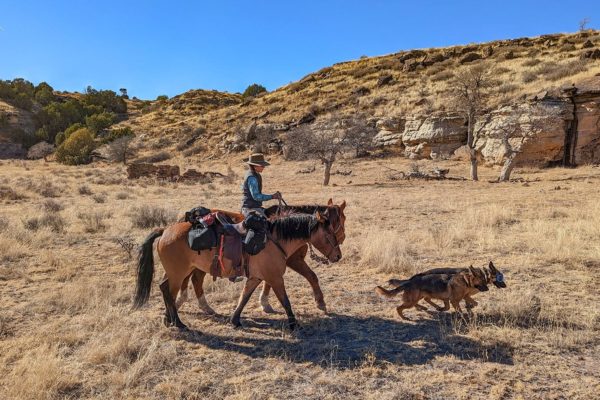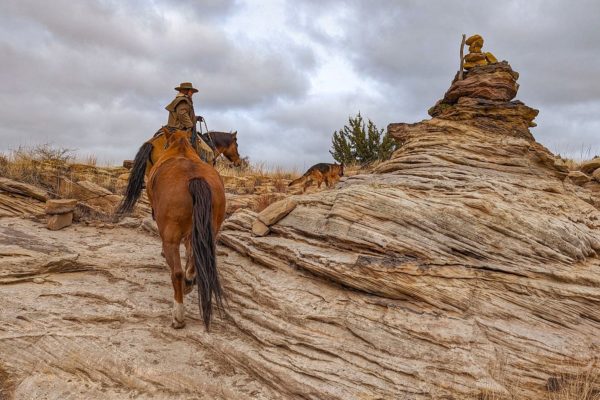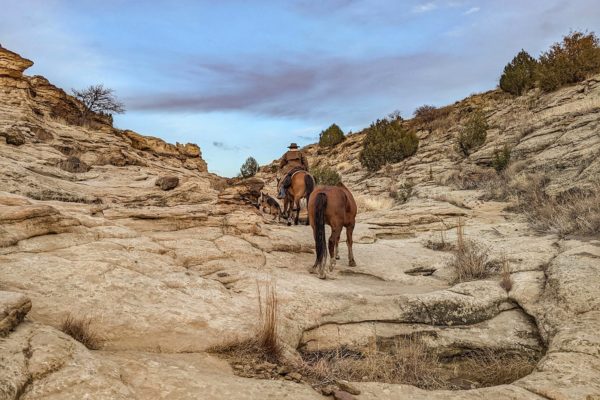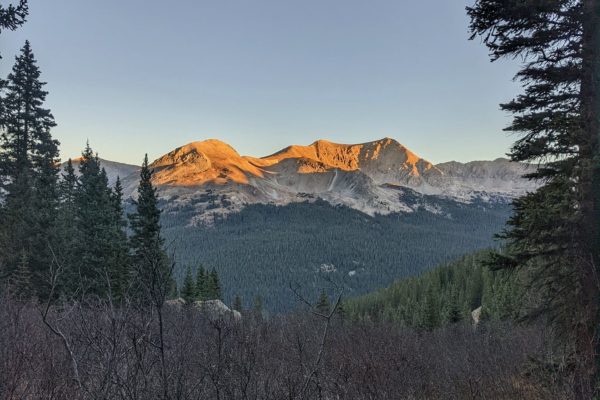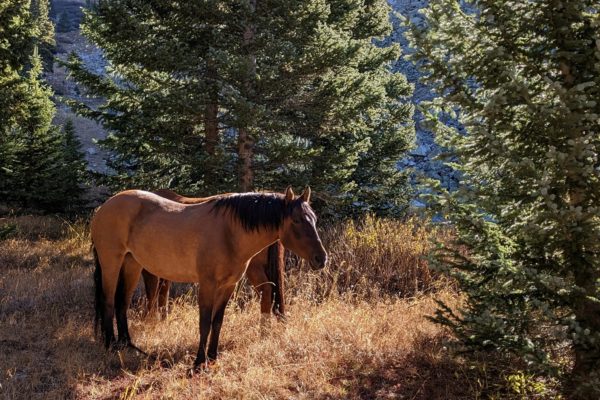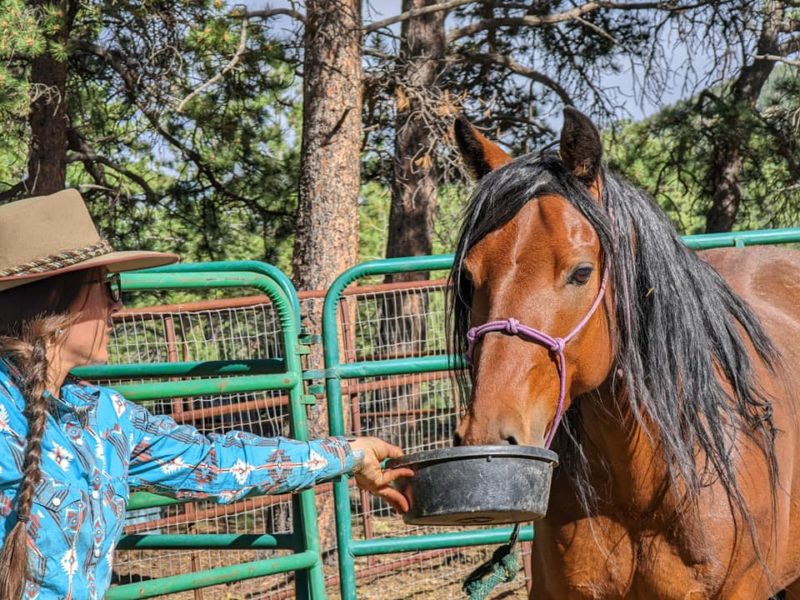
Mornings in camp… Coffee with marmots

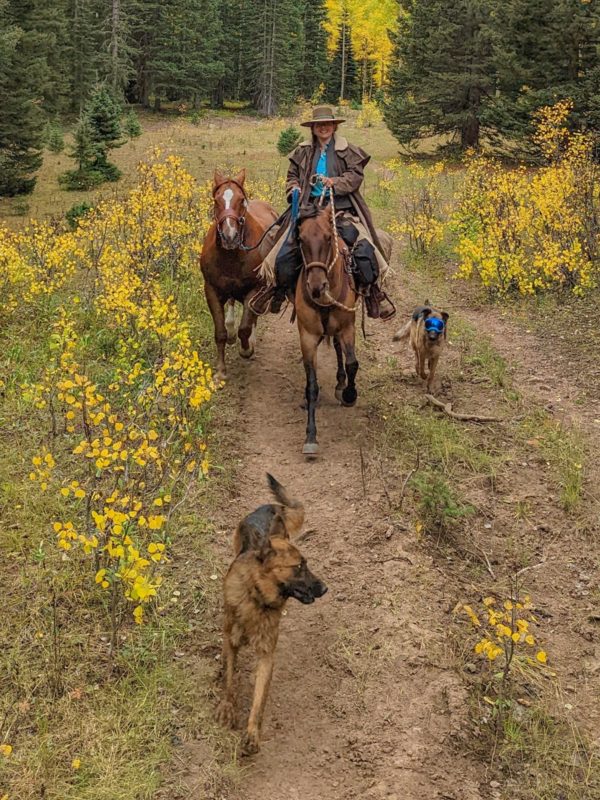
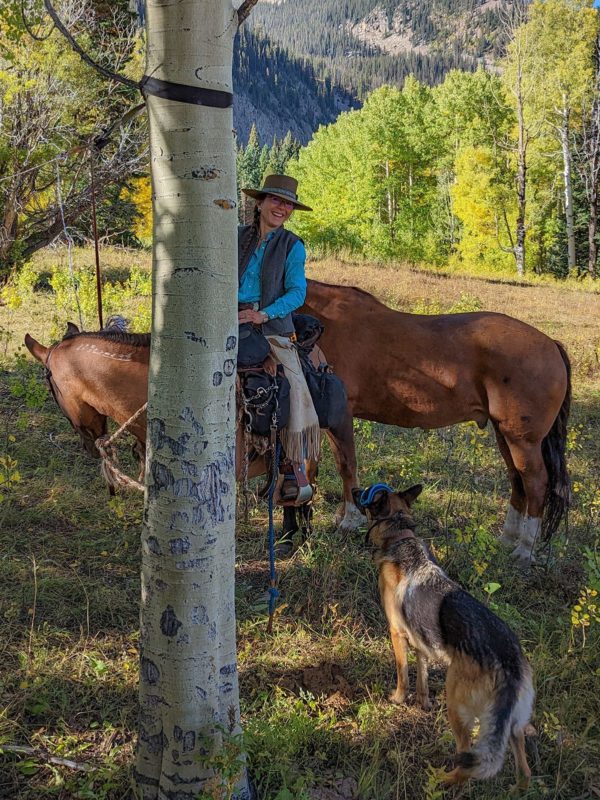
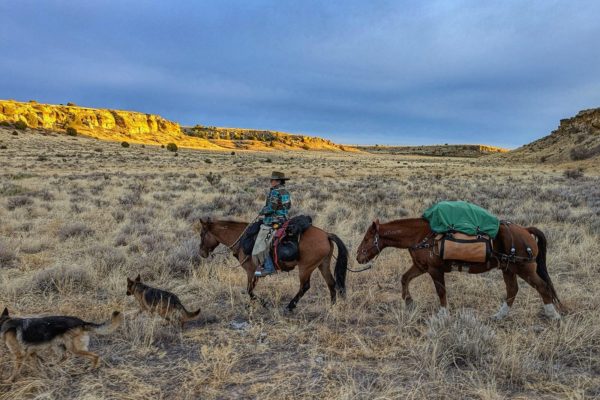
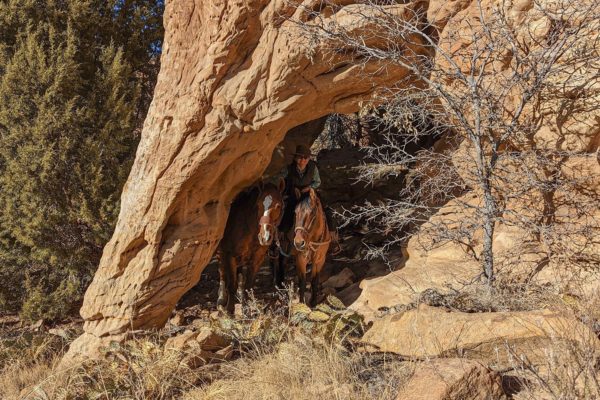
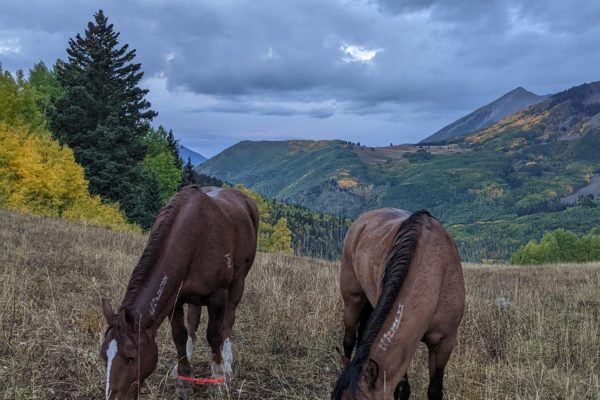
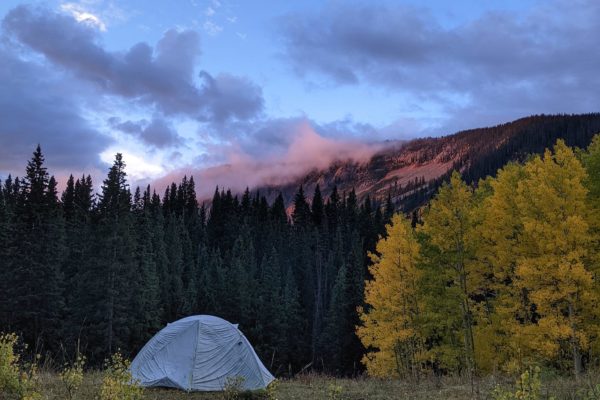
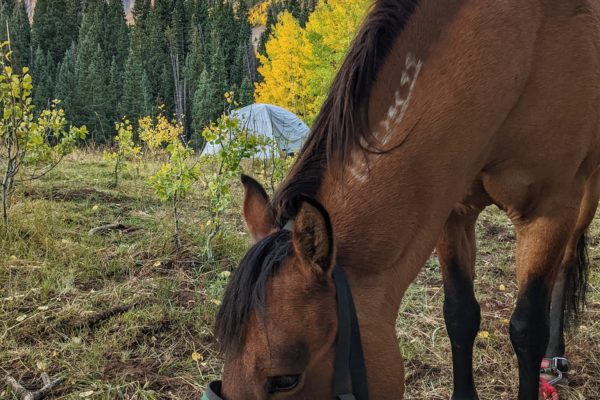
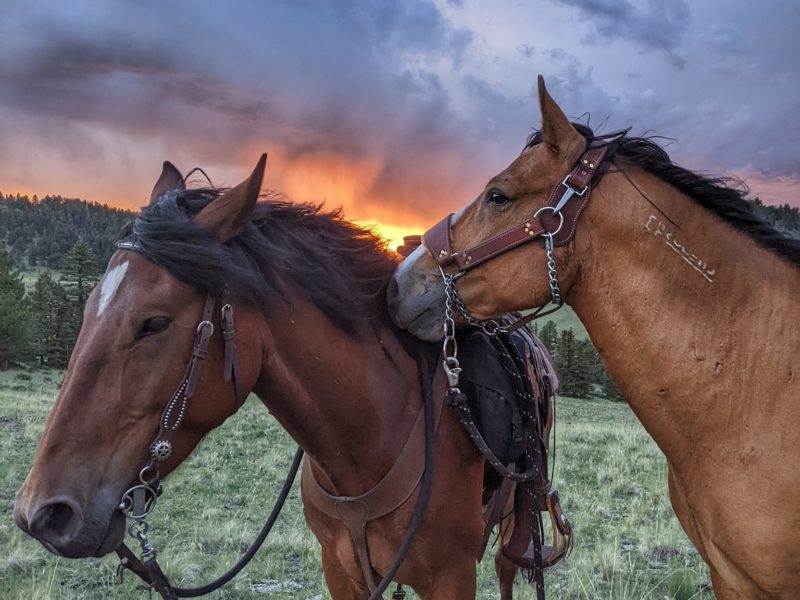
Packing into the backcountry with horses is grounding, beautiful, exciting…and an entirely different way of life.

As a morning person, I wake up between 4 and 5am. At that time it’s dark and chilly in the high country, outside of my cocoon of sleeping bag liner, sleeping bag and sometimes lined duster for additional warmth.

So I lie there, enjoying the residual warmth of the previous night’s hand and toe warmers, listening to what’s going on outside the tent… Is it windy? Raining, snowing perhaps? Are the horses still sleeping? More often than not, the sound of nature at night is a fascinating, deep silence.
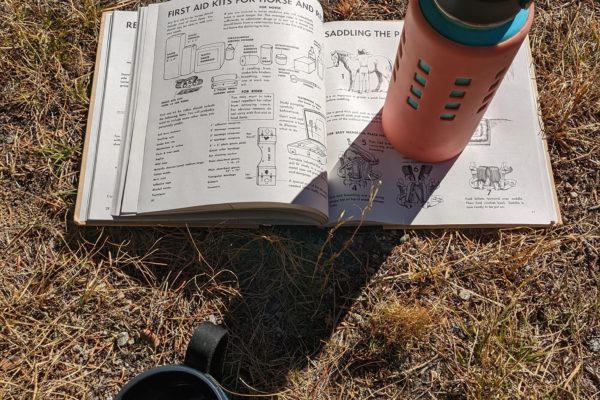
I contemplate reading for a bit and sometimes I do, depending on how early and how cold it is. I have a book, headlamp and a solar lamp always within reach. And a knife to cut rope if the horses were to get into a bind.
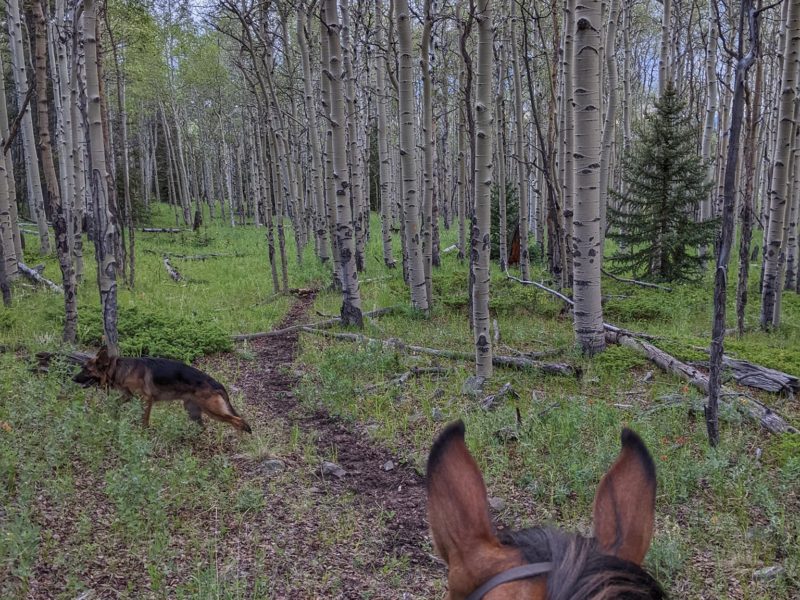
At first light – not sunrise, literally as soon as the sky turns from total darkness to pre-dawn grey – I extract myself from my sleeping bag, sometimes eagerly, other times less so, like when it’s 16 degrees (F) and my hands get cold just thinking about leaving my tent. The sound of me moving around wakes up first the dogs inside the tent, then the horses on the highline.

I put on my coat, dodging dog tails and wet noses, and pull on my boots before I open the tent flap. I assess weather conditions based on whether dew drops, rain or ice flakes fall from my tent as I open it and the dogs storm out to play. The horses are now starting to stomp, knowing they’re about to be turned loose to graze.

The next 20 minutes are consumed by releasing horses, feeding dogs, then getting the horses’ grain ready. They know the routine and, even hobbled, make a B-line for their nosebags. In between I take time to look around, ready for the sky to turn from grey to the subtle reds and blues indicating imminent sunrise, and waiting for the first light to hit the surrounding mountains.

Then it’s time to make coffee and wander around, admiring dewy or frosty plants and leaves. For the next few hours, it’s all about breakfast and warming up. During this slow part of the day, there’s ample opportunity to observe the animals and nature as it wakes up and the sun (hopefully) starts to warm the backs of horses, dogs and humans alike.

Sometimes there’s time before the day’s ride to watch marmots while drinking coffee and reading a book as the horses and dogs, content with their bellies filled, nap and soak in the warmth on a bright and now less crisp mountain morning. That’s what packing is all about.

Gentling mare & foal pairs

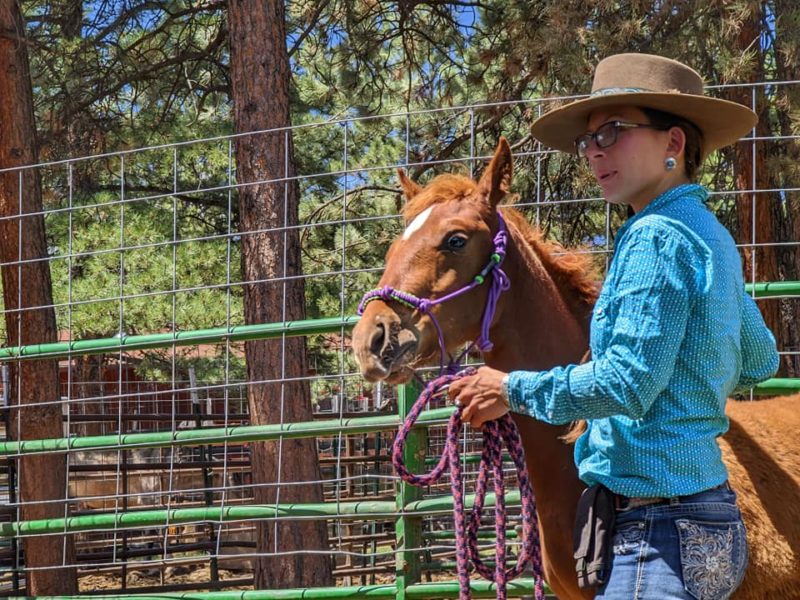
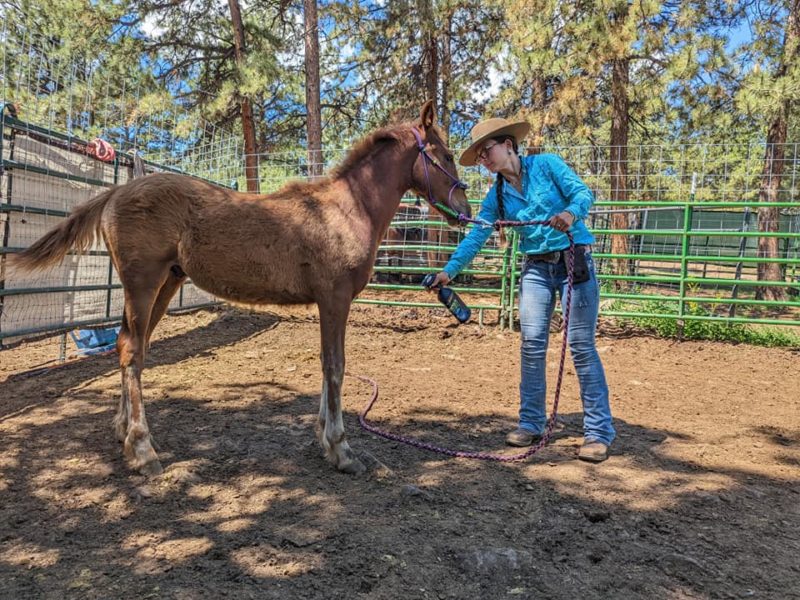
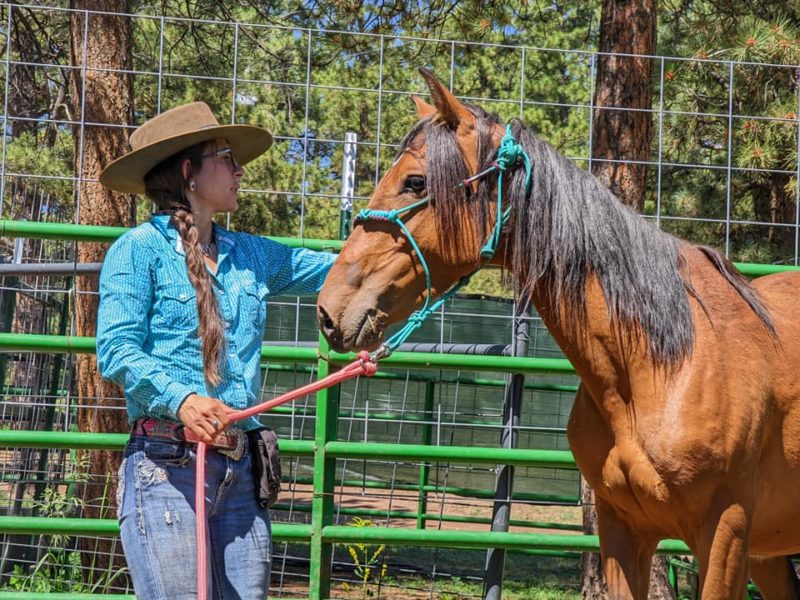
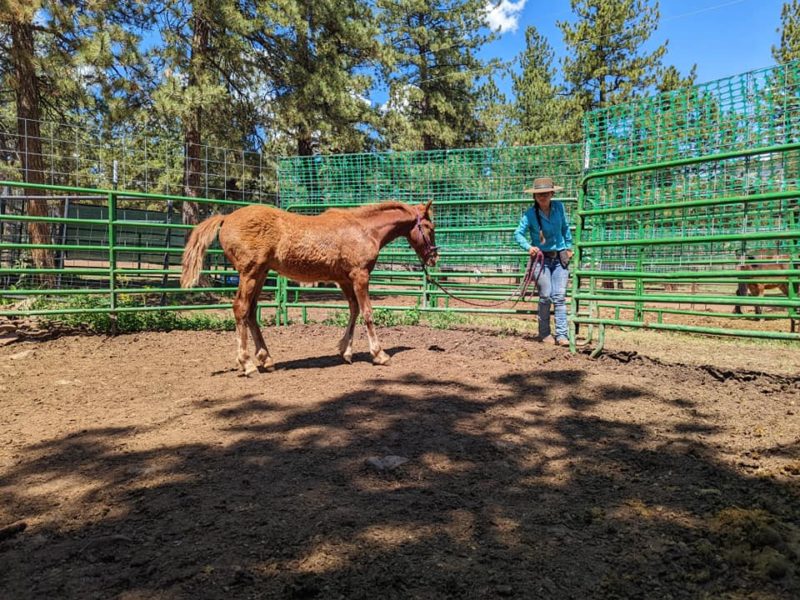
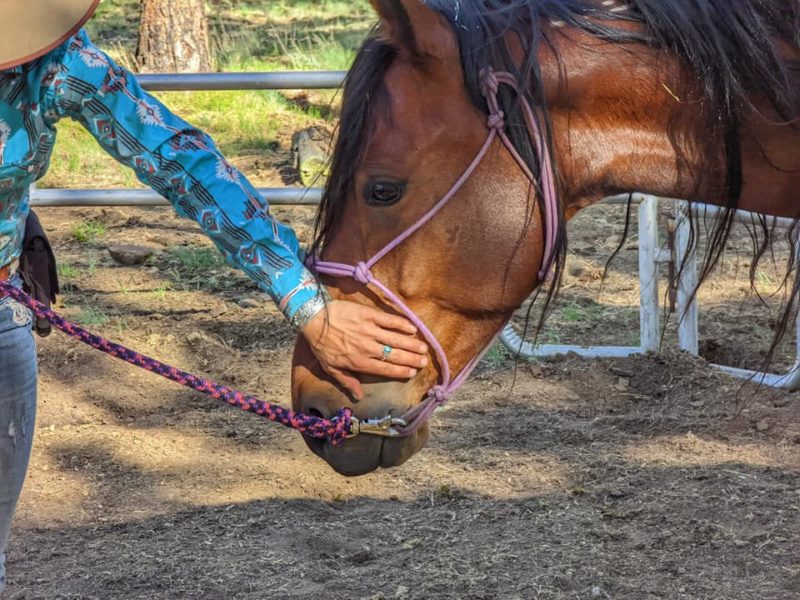
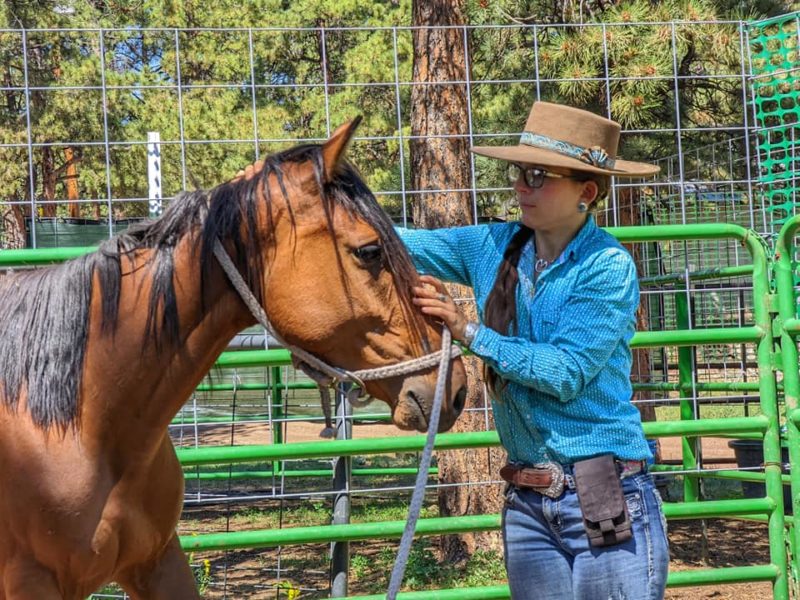
When we first started discussing the idea to bring pairs to Wild Horse Outreach & Advocacy to gentle and adopt out, we got a lot of feedback along the lines of “I don’t recommend it, those wild mares can be aggressive when they have a foal at their side”. Figuring that we wouldn’t have a super tight timeline since we planned to wean the foals prior to adoption, and would work with the mares and foals in such a way as to minimize stress, we adopted two mare and foal pairs from the Double Devil Wild Horse Corrals : Peanut (3yo) & Pumpkin (now 5mo old), pictured here, and Hazel (5yo) & Juniper (currently 4mo old).

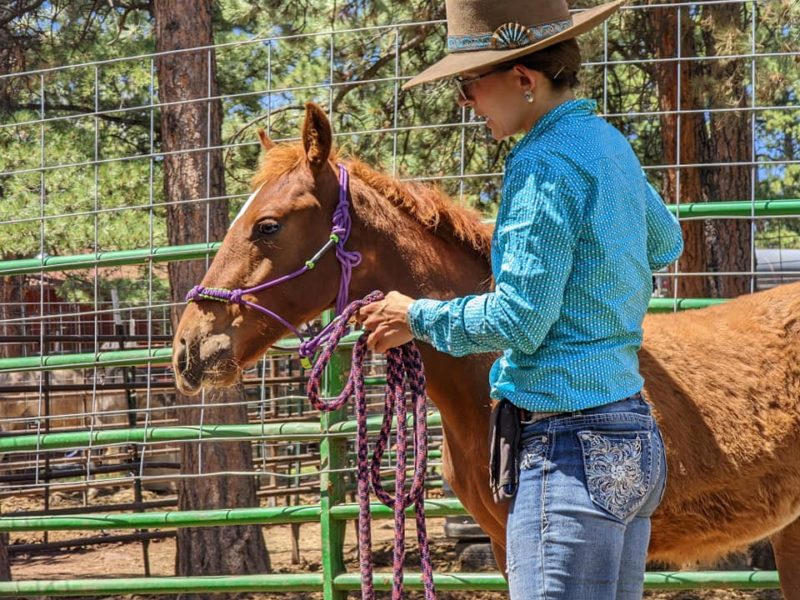
We gave them some time to settle in and started gentling them during the most recent private gentling workshop I taught two weeks ago. These pictures are from their fourth session and we’re beyond impressed with both of their progress 🧡

Our process for sorting and working with them: Sort as quietly as possible, separating the pair. Our gentling pen is in between the alley way and round pen. While mom is in the gentling pen, the baby can be in the alley way, just a few feet from mom. They can see each other, sniff and nicker to one another.

I keep sessions short, around 30min. The mare goes from the gentling pen into the round pen where a bucket of loose grass alfalfa mix hay awaits. She usually eats out of a slow feeder net, so loose hay is a nice treat. Baby trots willingly into the gentling pen to be closer to mom. They are still fence to fence. Eye contact is limited due to privacy fence along the round pen wall. During the first couple of sessions Peanut would come over frequently to peek underneath the panel and check on Pumpkin. Since then she enjoys her quiet time with the hay bucket while the little guy is in ‘school’.

Once school is out, we open the gate to the round pen and baby wanders over to mom who keeps munching, hits the milk bar and calmly follows her back into their pen. Observing increasing levels of relaxation and confidence has been very encouraging. I prefer gradual, step-by-step weaning over the “poof, gone” alternative as I believe it’s less stressful for both mares and foals, and these two are taking very well to having a little bit of time away from each other.

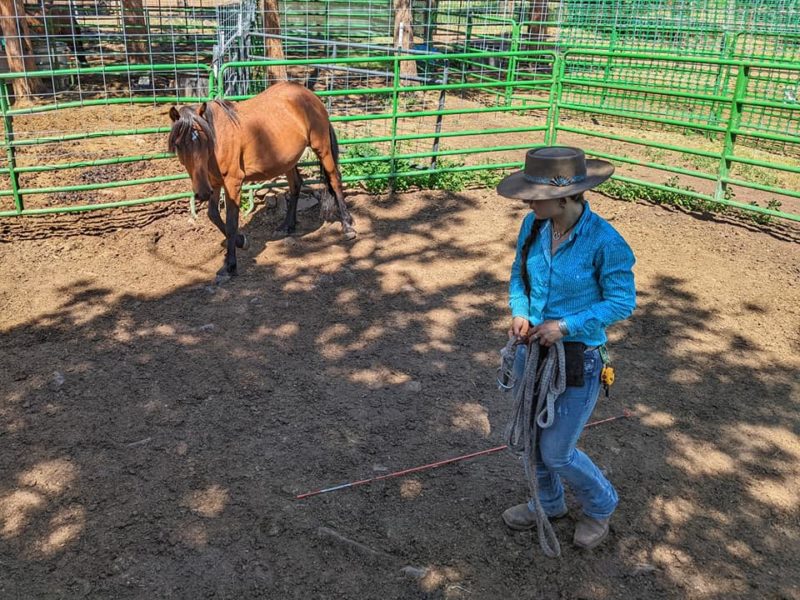
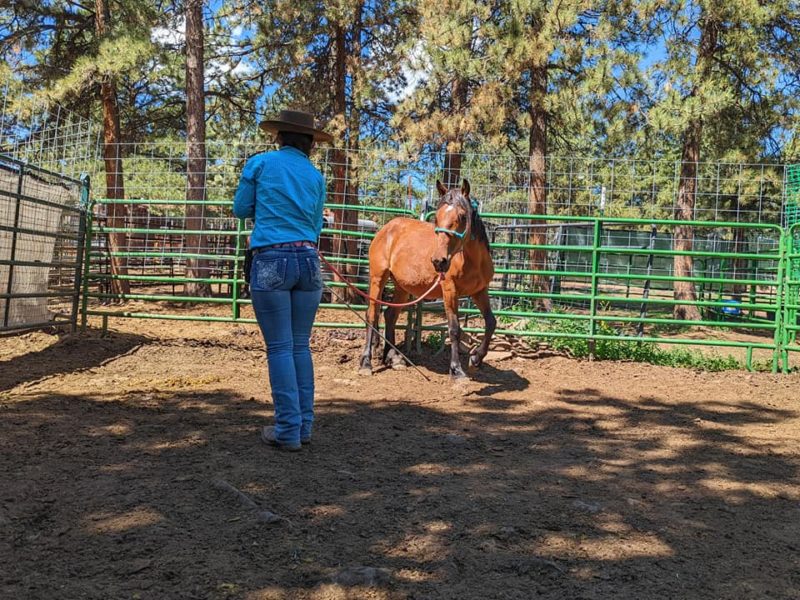
I work with them individually the way I work with the others as well and they are progressing just as nicely as their fellow Devil’s Garden Mustangs here for gentling. Four sessions in they can be caught and haltered, have started to move hips, shoulders, rib cage, give to pressure, back up, lead, been introduced to stick, stick and string, hand, brushes and stand for fly spray.

Peanut and Pumpkin will be looking for homes once gentled and he has been gelded and weaned. Pumpkin is a red-headed colt with a little sass and a great mind. He loves scratches and is going to be a big, stout boy. Peanut is a soft-eyed mare, smart, and looking for a human to give her the confidence to navigate our world. They are microchipped, not branded as is customary for wild horses coming from the U.S. Forest Service / U.S. Forest Service-Modoc National Forest

We have one more pair to start gentling here shortly.

If you’re interested in adopting or a participating in a private or semi-private gentling workshop, to learn about Mustangs, Mustang gentling and improve your horsemanship, send us a PM or email us at info@wildhorseoutreach.org

Custom rope tack made by Rowdy’s Ropes . Thank you Nancy for all the pretty colors, great materials and custom designs that set us up for success and help keep the Mustangs safe!

The flat braid cotton ring rope (lunge line with altered hardware) works great as a neck rope and interim halter and was a suggestion from Mustang Matt Horse Trainer and Elisa Wilson (don’t check out Elisa’s page if you don’t like gorgeous Mustangs and amazing leather work).

Riding under a storm cloudy sky

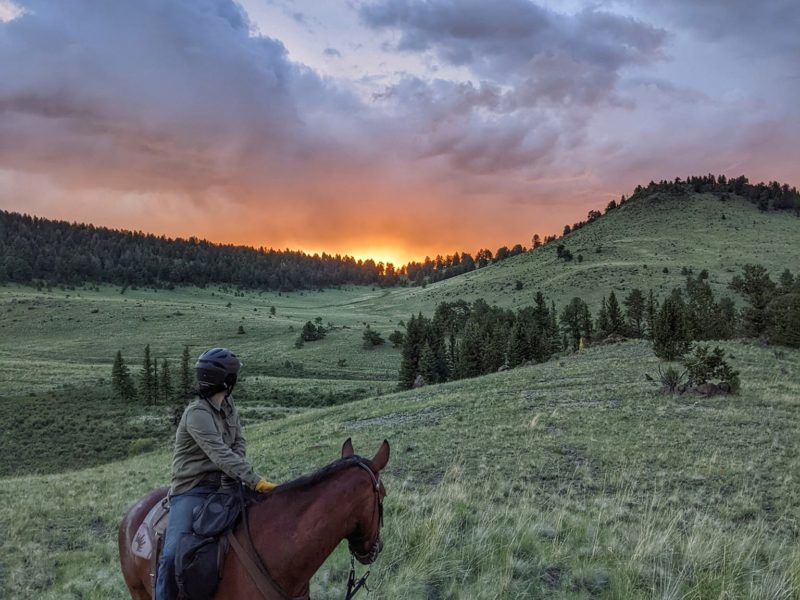
A quick ride to check cows on the forest after a day of gentling wild horses turned into a spectacular light show.

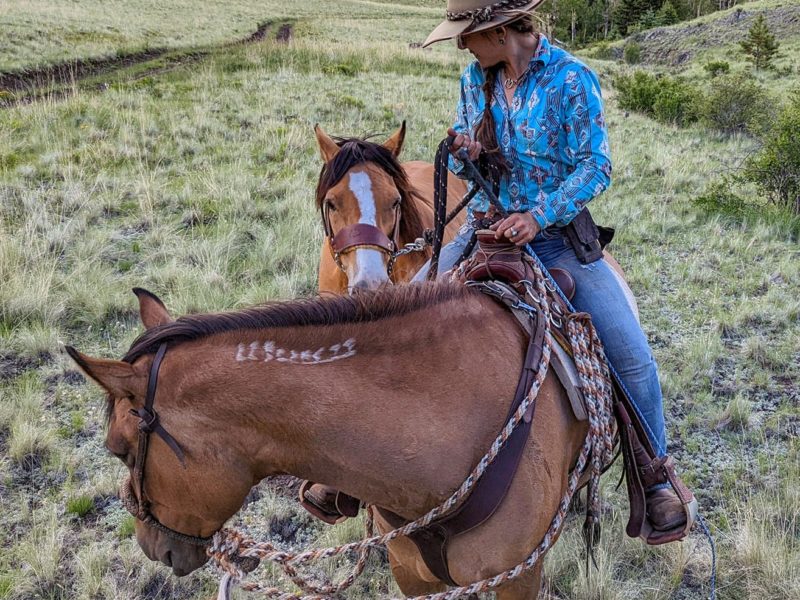
It was 4yo Devil’s Garden Mustang gelding DG Littlefoot’s first “big boy” ride, saddled and being ridden the entire 8 1/2 miles rather than sharing the workload with 7yo Divide Basin Mustang mare Lacy (dun). The young bay gelding took to it in stride, without any buddy sourness or excitement. Better yet, he carried a rider he was unfamiliar with for the first 6 miles until we swapped horses, through a storm rolling in, with wind gusts and flying hats, without ever batting an eye. For the final leg of the ride I ponied Blaze off of him. He made some unsure ear movements the first two minutes, then continued trucking right along with the older, much more assertive gelding in tow. That’s what bringing young horses along under saddle is all about. With a solid foundation there’s no need for a rodeo.

This ride was also DG Blaze’s first outing since arriving at Wild Horse Outreach & Advocacy a few days prior. I gentled the now 10yo golden buckskin branded Devil’s Garden Mustang gelding back in 2019 through the TIP program. Blaze has the stallion look and battle scars from growing to maturity in the wild paired with an amazing disposition. Since his adoption he has been a pack and riding horse for a friend of mine who recently needed to rehome Blaze due to health reasons. The gelding has had the winter off and we are now easing him back into work.

Ponying is a great step in doing that so long as the horse being ponied has a basic understanding of leading and giving to pressure and you have a good enough handle on the horse you’re ponying off of to only need one hand in most situations. You have to be able to shut down any fights between two horses that might not know each other or not usually be that close to one another.

Once the initial ground work is done and we have established the basics of a relationship, pony, pack and ground drive are the steps I take before I ride a horse, even one that just needs a refresher. I’m a few years past the “looks like a horse, sure I’ll get on” stage. Breaking the process down into steps is so much easier for the horse too and gives them and me the chance to get to know one another better as we navigate the prep work together.

DG Littlefoot’s Best Ever Pads was kindly sponsored by Horse Show Mom , a wonderful, small horsewoman-owned business.

Tesla – a lesson in patience and an opportunity to combine approaches

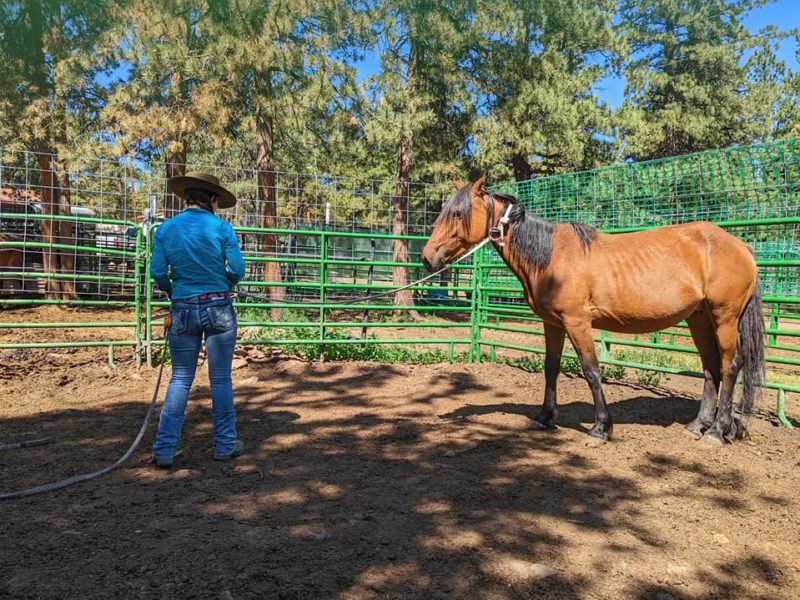
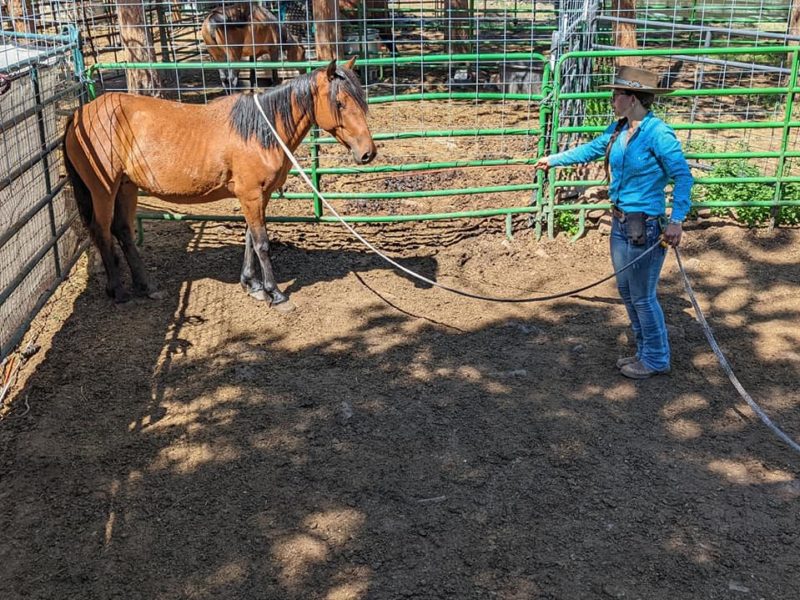
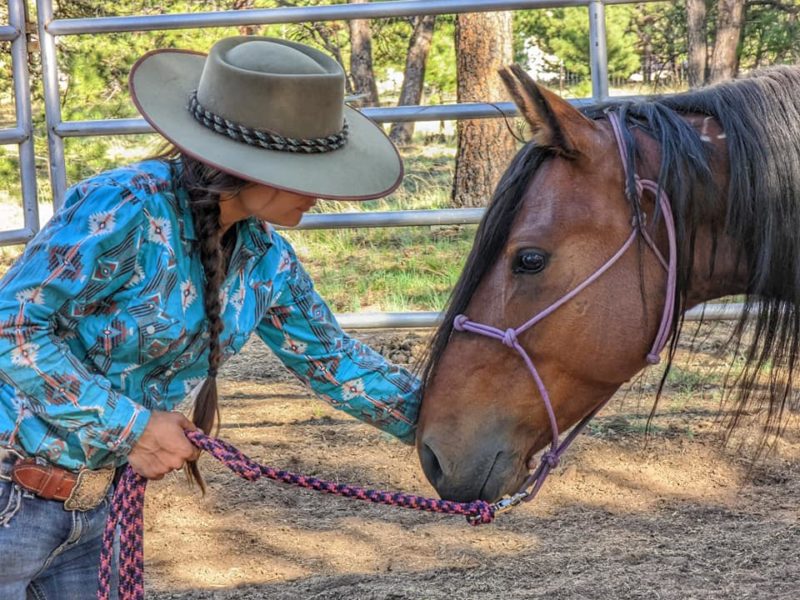
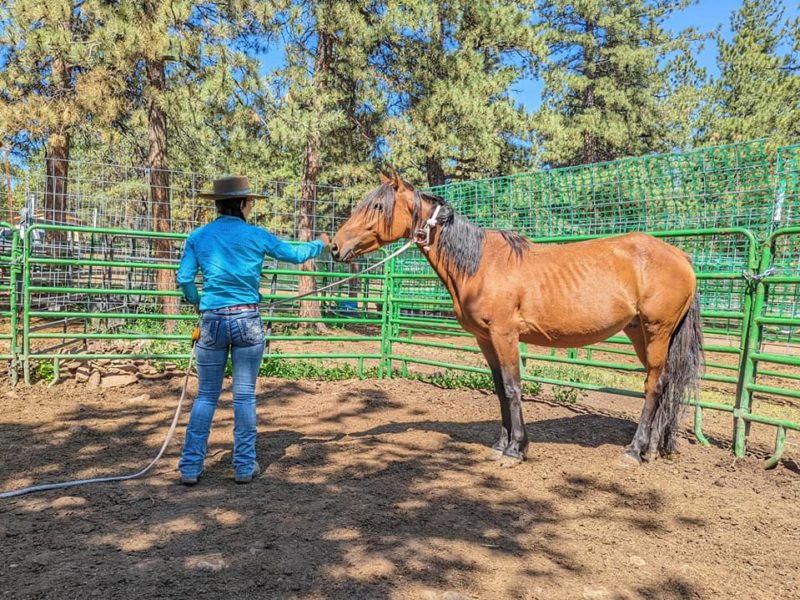
Tesla, 5yo Warm Springs, OR Mustang gelding has been an interesting one to work with. Not because he’s a “bad” horse but because of the baggage he carries. He has been bounced around several times, including a trip to auction, before his current owner got him. Various unsuccessful attempts to gentle the gorgeous bay gelding have left their mark and made this horse, for lack of a better word, angry.

When he first came he was nervous, unsettled and would protect his face with evasion, teeth and front feet. His eyes were hard and his muzzle distorted with tension. Thankfully he arrived here just in time for our workshop with Mustang Matt Horse Trainer last month and it took Matt’s mad haltering skills and willingness to quite literally put his life on the line to get this traumatized horse headed in a better direction.

Fast forward a little over a month and the hardness in Tesla’s face is mostly gone. He’s still worried and I can’t say I blame him. You don’t just wipe away years of trauma and start fresh. This is the beginning of his un- and re-learning process and I’m proud of him.

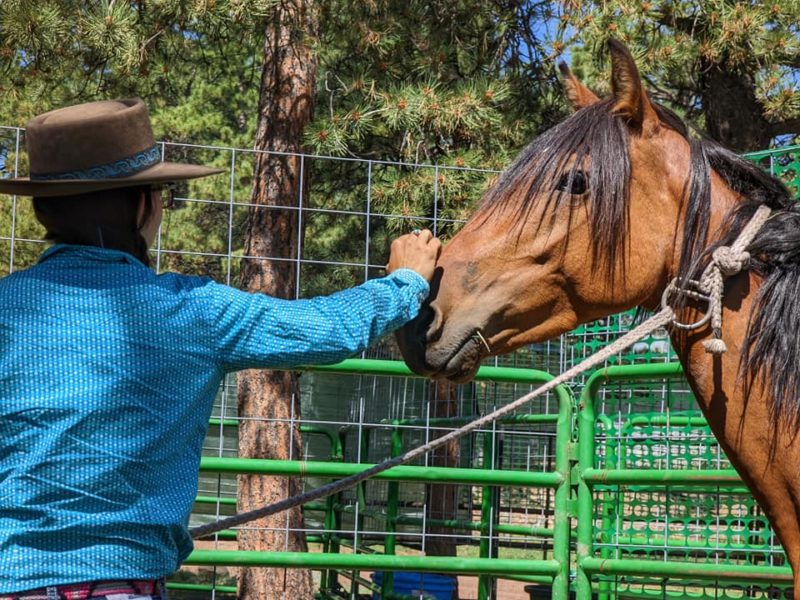
What has been fascinating to me is that Tesla is basically two different horses. The one that gets alarmed over anything near his head, and the one that enjoys touch everywhere else and loves to sniff and explore his surroundings when we walk together, that’s willing, brave and soft. The conclusion Matt and I came to was that the second one is the “real” Tesla, whereas the first one is a mask he has learned to wear out of a perceived need to defend himself.

When he first got here, he couldn’t stand still and was ready to eat anything that came near his face. That was concerning until I discovered somewhat by accident that the one thing that calmed him down was… touch. I’d rub him with the stick and he’d settle down as if it helped him come back to the present moment and into his body. Not that different with human trauma survivors. That’s why weighted blankets and hugs (even butterfly hugs we encourage them to practice on themselves) can have a soothing effect on an overstimulated nervous system.

I was concerned about how Tesla and I would get along when Matt left. He was (and still can be) a lot of horse. With time we figured each other out. It’s taken a variety of tools and methods to get him to this point (not shown here but he loads, was a good boy when his human mom came to visit him, and has had an acutherapy treatment with Maya Suzuki LAc (ShinKyu University). A horse like Tesla is a good reminder that we can’t ever have too many tools in our toolbox, and that teamwork really does make the dream work, in this case Bree Thompson ‘s dream to keep this guy safe, be able to touch and care for him, and hopefully one day make a riding horse out of him.

Overview of approaches used: positive and negative reinforcement, shaping (successive approximations), targeting, counter conditioning and CAT-H. We did actively correct behaviors that are dangerous to humans and land horses in bad places, e.g. lunging at people and objects, biting and striking.